
Choosing the right insurance policy can feel overwhelming. With so many options, providers, and policy terms, it’s easy to get confused. But the truth is simple: the right insurance policy protects your finances, your loved ones, and your peace of mind.
In this guide, you’ll learn how to choose the right insurance policy step by step — without stress.
1. Understand What Insurance Really Means
Insurance is a financial agreement between you and an insurance company. You pay a premium, and in return, the company provides financial protection if a covered event occurs — such as illness, accident, theft, or death.
Common types of insurance include:
Life Insurance


4
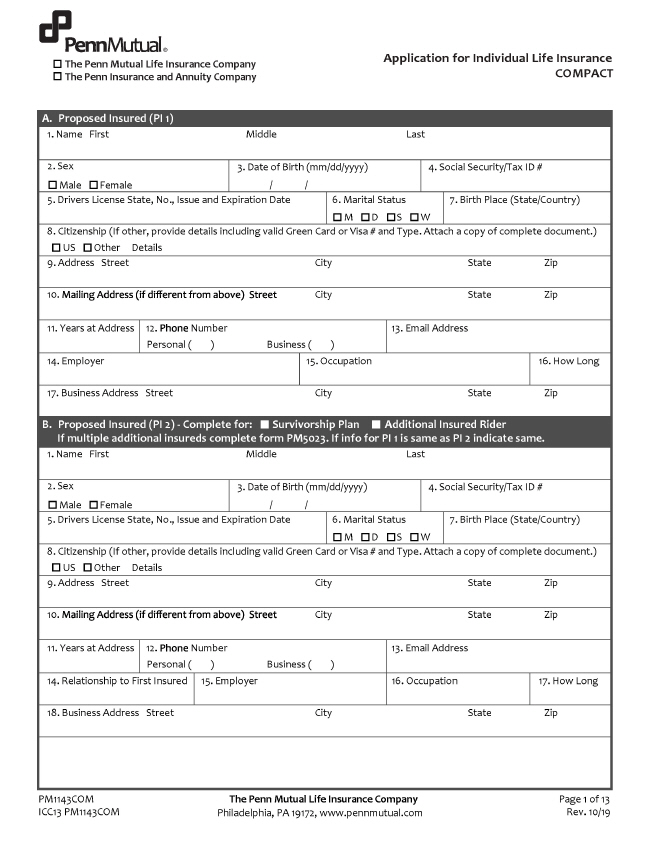
Life insurance protects your family financially if something happens to you. It helps cover funeral expenses, debts, school fees, and daily living costs.
Health Insurance


4
Health insurance helps cover medical expenses such as hospital bills, surgeries, prescriptions, and routine checkups.
Auto Insurance


4
Auto insurance protects you financially if your vehicle is damaged, stolen, or involved in an accident.
2. Assess Your Needs First
Before buying any insurance policy, ask yourself:
- What risks do I face?
- Do I have dependents?
- Do I own property or valuable assets?
- What would happen financially if I couldn’t work?
For example:
- If you’re a parent, life insurance should be a priority.
- If you have frequent medical expenses, health insurance is essential.
- If you drive daily, auto insurance is necessary.
The right insurance policy depends on your personal situation — not someone else’s.
3. Compare Different Insurance Policies
Not all insurance policies are the same.
When comparing options, check:
- Premium – How much you pay monthly or yearly
- Coverage – What the insurance actually protects
- Exclusions – What is NOT covered
- Deductibles – What you must pay before coverage starts
- Claim process – How easy it is to get paid
Choosing cheap insurance without checking coverage can cost you more in the long run.
4. Check the Insurance Company’s Reputation
Before choosing an insurance provider:
- Read customer reviews
- Check claim settlement history
- Confirm licensing and regulation
- Evaluate customer service quality
Reliable insurance companies pay claims on time and communicate clearly.
5. Understand the Policy Terms Clearly
Never sign an insurance contract without reading:
- Policy duration
- Renewal conditions
- Waiting periods
- Claim requirements
If something is unclear, ask questions. Insurance should provide clarity, not confusion.
6. Balance Cost and Coverage
The goal is not to buy the cheapest insurance — it’s to buy the right coverage at a fair price.
A good insurance policy:
- Protects major risks
- Fits your budget
- Covers what matters most
- Doesn’t include unnecessary add-ons
Think long-term. Insurance is about financial security, not quick savings.
7. Review Your Insurance Regularly
Life changes — and so should your insurance.
Review your policy when:
- You get married
- You have children
- You change jobs
- You buy property
- Your income increases
Updating your insurance ensures your coverage matches your current life stage.
Final Thoughts
Choosing the right insurance policy doesn’t have to be complicated. When you:
- Understand your needs
- Compare coverage carefully
- Research providers
- Read the fine print
You can confidently select insurance that protects you and your loved ones.
At the end of the day, insurance isn’t just a contract — it’s peace of mind.