

4
When people first buy insurance, one word often causes confusion: deductible.
You may have seen it on your policy documents and wondered, “What exactly is a deductible, and how does it affect my insurance?” Don’t worry — in this guide, we’ll explain everything in simple words.
If you want to truly understand how insurance works, understanding your deductible is a must.
What Is a Deductible in Insurance?
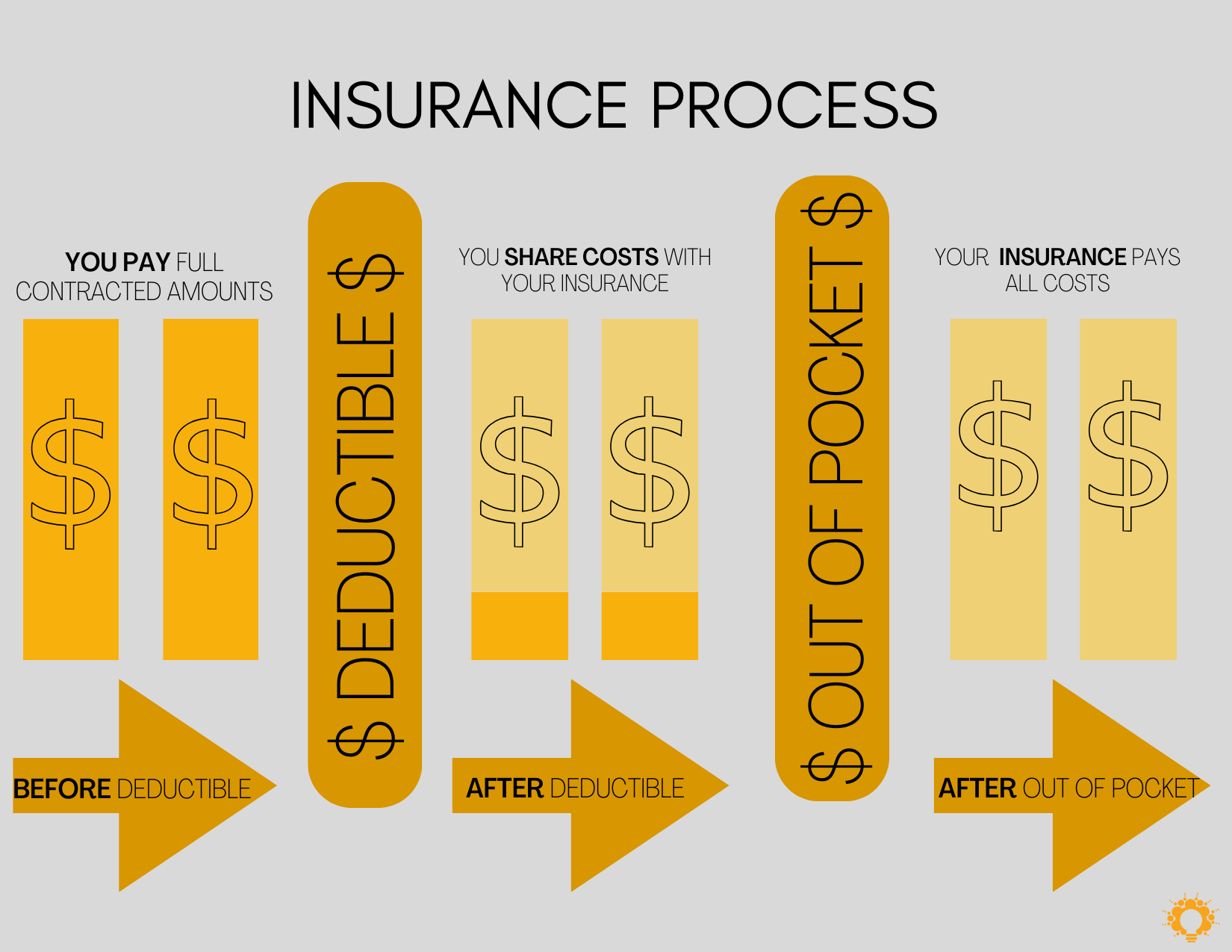
A deductible is the amount of money you agree to pay out of your own pocket before your insurance company pays the rest of a claim.
In simple terms:
You pay first. Insurance pays after.
That’s it.
Let’s make it even clearer.
If your insurance policy has a $500 deductible, and you file a claim for $3,000 in damages:
- You pay $500
- Your insurance company pays $2,500
The deductible is your share of the cost.
Why Does Insurance Have a Deductible?
Insurance companies use deductibles for two main reasons:
1. To Prevent Small Claims
If there were no deductible, people would file claims for very small damages. This would increase costs for everyone.
2. To Lower Insurance Premiums
A deductible helps keep your insurance premium (the amount you pay monthly or yearly) lower.
In general:
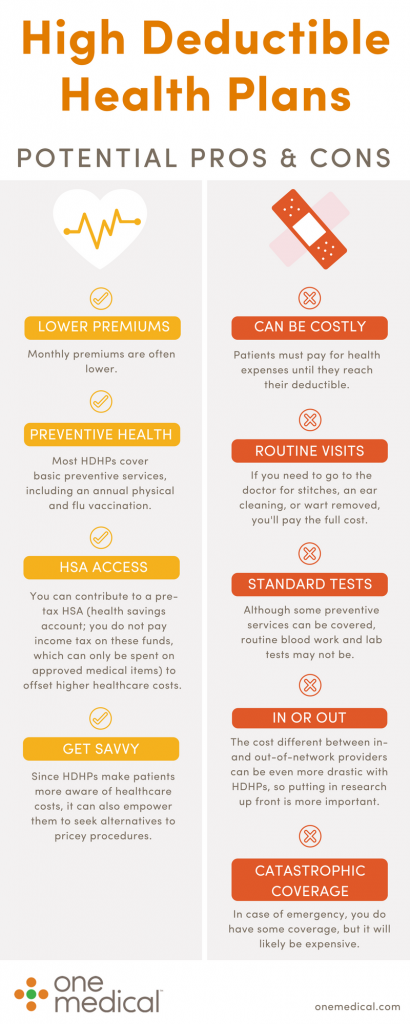
- Higher deductible = Lower premium
- Lower deductible = Higher premium
It’s a balance between what you pay now and what you might pay later.
How a Deductible Works (Simple Example)
Let’s say you have car insurance.
- Your deductible: $1,000
- Accident damage: $4,000
Here’s what happens:
- You pay $1,000
- Insurance pays $3,000
If the damage was only $800?
You would pay the entire $800 yourself because it is less than your deductible.
Insurance only pays when the damage amount is higher than your deductible.
Types of Deductibles in Insurance
Different insurance policies use deductibles in different ways. Here are the most common types:
1. Fixed Dollar Deductible
This is the most common type.
You pay a set amount, like:
- $250
- $500
- $1,000
This is common in:
- Auto insurance
- Home insurance
- Health insurance
2. Percentage Deductible
Instead of a fixed amount, you pay a percentage of the insured value.
For example:
- Your home is insured for $200,000
- Deductible is 2%
You would pay:
$4,000 before insurance covers the rest.
This type is common in home insurance, especially for natural disasters.
3. Annual Deductible (Health Insurance)
Health insurance usually works a little differently.
You pay medical costs yourself until you reach your yearly deductible. After that, your insurance starts paying according to your plan.
Example:
- Annual deductible: $2,000
- You pay medical bills until you reach $2,000
- After that, insurance begins covering costs
Deductible vs Premium: What’s the Difference?
Many people confuse these two.
Let’s simplify it:
| Term | Meaning |
|---|---|
| Premium | The amount you pay regularly to keep your insurance active |
| Deductible | The amount you pay before insurance pays a claim |
Think of it like this:
- Premium = membership fee
- Deductible = cost-sharing when something goes wrong
Both are important parts of your insurance plan.
How to Choose the Right Deductible
Choosing the right deductible depends on your financial situation.
Here are simple guidelines:
Choose a Higher Deductible If:
- You want lower monthly premiums
- You have savings to cover emergencies
- You rarely file claims
Choose a Lower Deductible If:
- You want less risk
- You don’t have emergency savings
- You prefer predictable costs
There is no “perfect” deductible for everyone. It depends on your comfort level and budget.
When Do You Pay the Deductible?
You usually pay the deductible when:
- You file a claim
- The claim is approved
- The damage amount is higher than your deductible
Sometimes the deductible is deducted from the insurance payout. Other times, you may need to pay it directly to a repair shop or hospital.
Does Every Insurance Policy Have a Deductible?
Not always, but most types of insurance do.
Common insurance types with deductibles:
- Auto insurance
- Homeowners insurance
- Health insurance
- Travel insurance
Some policies, like life insurance, usually do not have deductibles.
Real-Life Example (Very Simple Scenario)
Let’s imagine this situation:
Sarah has home insurance.
- Her deductible: $1,000
- Storm damage repair: $6,000
Here’s what happens:
- Sarah pays $1,000
- Insurance pays $5,000
If the damage was only $700, Sarah would pay everything herself.
This shows why understanding your deductible is important before choosing an insurance plan.
How Deductibles Affect Your Insurance Cost
Remember this key rule:
The more risk you agree to take, the less you pay in premiums.
When you choose a higher deductible:
- You are telling the insurance company you can handle small losses.
- In return, they charge you less each month.
When you choose a lower deductible:
- The insurance company takes on more risk.
- You pay higher premiums.
It’s a trade-off.
Common Mistakes People Make About Deductibles
Here are mistakes to avoid:
- Choosing a high deductible without emergency savings
- Not understanding how much they would need to pay in a claim
- Confusing deductible with premium
- Filing small claims that barely exceed the deductible
Before buying insurance, always check:
- The deductible amount
- The premium cost
- What the policy actually covers
Final Thoughts: What Is a Deductible?
Let’s summarize simply.
A deductible in insurance is:
- The amount you pay first
- Before your insurance pays the rest
- Only when you file a claim
Understanding your deductible helps you:
- Choose the right insurance plan
- Avoid financial surprises
- Save money long-term
Insurance is meant to protect you from big financial loss — not small everyday expenses. That’s why deductibles exist.
Now that you understand what a deductible is, you can confidently choose the insurance coverage that fits your needs and budget.