
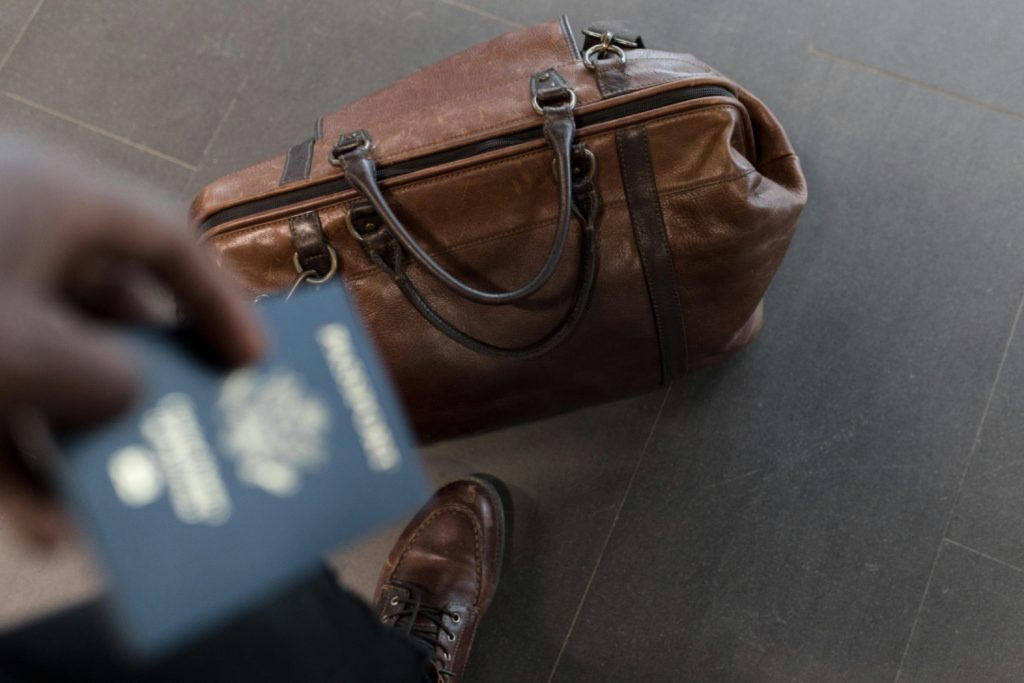
Traveling is one of life’s greatest joys. Whether it’s a relaxing beach vacation, an adventurous trek, or a business trip, travel brings excitement, new experiences, and memories that last a lifetime. However, travel also comes with risks—flight delays, lost luggage, medical emergencies, and unforeseen cancellations. This is where travel insurance comes in. But what exactly is travel insurance, and why is it essential for every traveler? Let’s explore.
Understanding Travel Insurance
Travel insurance is a type of insurance designed to cover the financial risks and losses associated with traveling. It provides protection against unexpected events that can disrupt your trip or result in financial loss. Think of it as a safety net that ensures your vacation or business trip doesn’t turn into a financial nightmare.
Most travel insurance policies cover:
- Trip cancellations or interruptions – If your flight is canceled or your plans change due to unforeseen circumstances, travel insurance can reimburse non-refundable expenses.
- Medical emergencies – If you fall sick or get injured while traveling, travel insurance often covers medical treatment, hospitalization, and sometimes emergency evacuation.
- Lost or delayed baggage – Travel insurance can compensate for lost, stolen, or delayed luggage, ensuring you’re not left empty-handed.
- Travel delays – If your flight is delayed or you miss a connection, some policies provide compensation for extra accommodation, meals, or transport.
By providing coverage in these scenarios, travel insurance gives travelers peace of mind and financial security.
Why Travel Insurance Is Important
Many travelers make the mistake of thinking insurance is unnecessary, especially for short trips or domestic travel. However, travel emergencies can happen anywhere, and costs can quickly add up. Here’s why you shouldn’t skip travel insurance:
- Unexpected Medical Costs – Healthcare abroad can be expensive. Without travel insurance, even a minor accident or illness could lead to hefty bills.
- Trip Cancellation Protection – Illness, natural disasters, or personal emergencies can force you to cancel your trip. Travel insurance can reimburse you for non-refundable expenses.
- Lost or Stolen Items – Losing luggage or personal belongings is stressful and costly. Travel insurance ensures you’re reimbursed and can replace essential items.
- Peace of Mind – Travel insurance allows you to enjoy your trip without constantly worrying about potential risks or emergencies.
Ultimately, travel insurance is about managing risk. You may never need it, but having it ensures you’re prepared if the unexpected happens.
Types of Travel Insurance Coverage
Travel insurance isn’t one-size-fits-all. There are different types of coverage depending on your travel needs:
1. Trip Cancellation and Interruption Insurance
This type covers your prepaid, non-refundable trip costs if your trip is canceled or interrupted due to covered reasons like illness, natural disasters, or travel advisories.
2. Medical Insurance
Medical travel insurance covers hospital visits, doctor fees, and emergency medical treatment while traveling. Some policies also include emergency evacuation to your home country if local care is unavailable.
3. Baggage and Personal Belongings Insurance
Lost or delayed baggage can ruin a trip. This insurance reimburses you for lost luggage, personal items, or valuables, sometimes including electronics and passports.
4. Travel Delay Insurance
Travel delays, whether from weather, strikes, or airline issues, can be stressful. Travel delay insurance reimburses costs for meals, accommodations, and alternative transportation during delays.
5. Comprehensive Travel Insurance
Some travelers prefer a complete package that combines medical, trip cancellation, baggage, and delay coverage. Comprehensive travel insurance offers broad protection for all types of travel risks.
How Travel Insurance Works
Travel insurance policies are typically purchased before your trip. When an unexpected event occurs, you file a claim with your insurance provider. After reviewing your claim, the insurer reimburses you according to the policy terms.
For example:
- If your flight is canceled due to a medical emergency, you can file a claim to recover the cost of your airfare.
- If you are hospitalized abroad, the insurance provider will cover eligible medical expenses, including ambulance services if necessary.
- If your luggage is lost or delayed, the insurer reimburses you for essential items purchased during the delay.
It’s crucial to read the policy carefully, as coverage limits, exclusions, and claim processes vary between insurers.
Factors to Consider When Choosing Travel Insurance
Not all travel insurance is the same. To choose the best policy, consider the following factors:
- Destination – Some countries have higher medical costs. Travel insurance should match your destination risks.
- Trip Duration – Longer trips may require more comprehensive coverage.
- Activities – Adventure activities like skiing, scuba diving, or hiking may require special coverage.
- Age and Health – Older travelers or those with pre-existing conditions may need tailored insurance options.
- Policy Exclusions – Understand what is not covered to avoid surprises during emergencies.
Comparing policies from multiple providers ensures you get the best coverage at a reasonable price.
Travel Insurance and COVID-19
In recent years, COVID-19 has highlighted the importance of travel insurance. Many providers now include coverage for COVID-related cancellations, medical treatment, and quarantine expenses. Travelers should check whether their insurance policy covers pandemic-related events, as this can protect against financial losses during uncertain times.
Tips for Making a Travel Insurance Claim
Filing a travel insurance claim can be straightforward if you follow these tips:
- Document everything – Keep receipts, invoices, medical reports, and travel documents.
- Report promptly – Notify your insurance provider as soon as the incident occurs.
- Understand the policy – Know your coverage limits, exclusions, and claim procedures.
- Keep records – Maintain all correspondence with your insurer for reference.
Being organized and proactive makes the claims process smoother and increases the chances of successful reimbursement.
Frequently Asked Questions About Travel Insurance
Q: Is travel insurance mandatory?
A: Travel insurance is not mandatory for most trips, but some countries or airlines may require proof of insurance for entry or visa purposes.
Q: Does travel insurance cover pre-existing conditions?
A: Some policies provide coverage for pre-existing medical conditions if declared in advance. Always check with your insurer.
Q: Can I buy travel insurance for a last-minute trip?
A: Yes, travel insurance can often be purchased even a few hours before departure. However, buying early is recommended for better coverage.
Conclusion
Travel insurance is an essential part of planning any trip, whether for leisure or business. It protects against financial losses, medical emergencies, and unexpected disruptions. By investing in travel insurance, you ensure that your adventures are safe, enjoyable, and stress-free.
Remember, insurance is not just a safety net—it’s peace of mind. Before your next trip, research your options, compare policies, and choose the travel insurance that best fits your needs. With the right coverage, you can focus on what truly matters: making memories that last a lifetime.