

If you’ve ever applied for insurance, you may have heard the word underwriting. It sounds complicated, but it’s actually one of the most important parts of how insurance works.
In simple terms, underwriting in insurance is the process companies use to decide:
- Whether to approve your insurance application
- How much coverage to give you
- How much you should pay (your premium)
In this detailed guide, you’ll learn what underwriting in insurance means, how it works, why it matters, and how it affects your insurance policy.
What Is Underwriting in Insurance?
Underwriting in insurance is the process where an insurance company evaluates risk before issuing a policy.
Every insurance company wants to answer one main question:
“How risky is this person or thing to insure?”
The higher the risk, the higher the premium.
The lower the risk, the lower the premium.
Underwriting helps insurance companies stay profitable while offering fair prices to customers.
Without underwriting, insurance companies would either lose money or charge everyone the same high price — which wouldn’t be fair.
Why Is Underwriting Important in Insurance?
Underwriting is important in insurance because it:
- Protects the insurance company from big financial losses
- Ensures customers pay fair premiums
- Helps prevent fraud
- Keeps the insurance system stable
Imagine if someone with a history of many car accidents paid the same insurance premium as someone with a clean driving record. That wouldn’t be fair.
Underwriting in insurance ensures pricing matches risk.
How Does Underwriting in Insurance Work?
The underwriting process in insurance usually follows these steps:
1. Application Review
You fill out an insurance application with details like:
- Age
- Occupation
- Health history (for health or life insurance)
- Driving record (for car insurance)
- Property details (for home insurance)
2. Risk Assessment
The insurance underwriter evaluates your risk level using:
- Personal information
- Historical data
- Statistical models
- Past claims history
3. Decision Making
The insurance company may:
- Approve your insurance application
- Approve with higher premiums
- Add special conditions
- Decline the application
This decision is called the underwriting decision.
Who Is an Insurance Underwriter?
An insurance underwriter is a trained professional who evaluates risk and decides whether to approve insurance coverage.
They use:
- Risk assessment tools
- Actuarial data
- Company guidelines
- Insurance regulations
Underwriters play a key role in the insurance industry because they balance risk and profitability.
Types of Underwriting in Insurance
Different types of insurance require different underwriting processes.
1. Life Insurance Underwriting



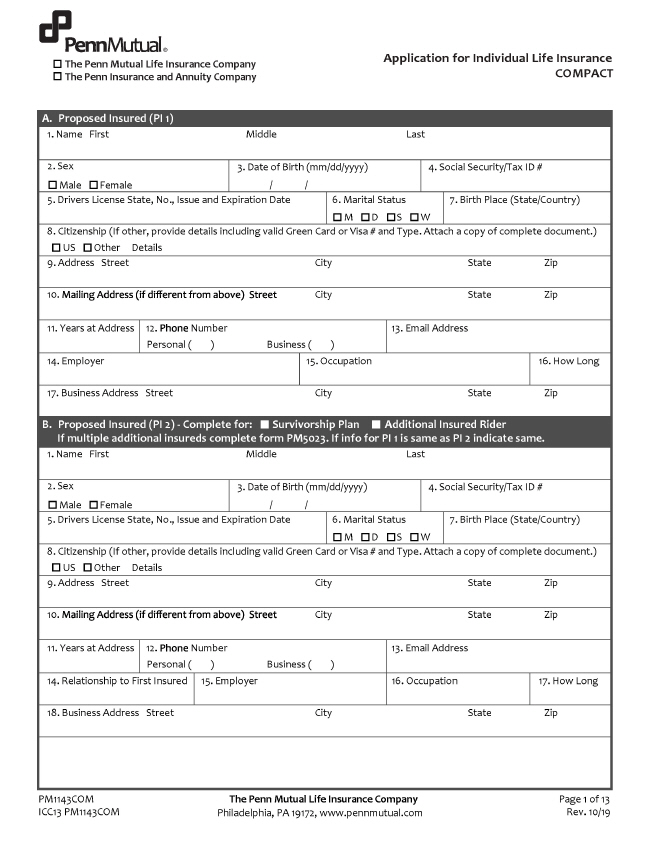
Life insurance underwriting focuses on your health and lifestyle.
The underwriter may consider:
- Age
- Medical history
- Smoking habits
- Family health history
- Occupation
Some policies require a medical exam. Others (like simplified issue policies) may not.
The healthier you are, the lower your life insurance premium.
2. Health Insurance Underwriting



Health insurance underwriting evaluates your current and past medical conditions.
Factors include:
- Pre-existing conditions
- Past surgeries
- Chronic illnesses
- Prescription history
In many countries, regulations limit how much insurers can adjust pricing based on health.
3. Auto Insurance Underwriting
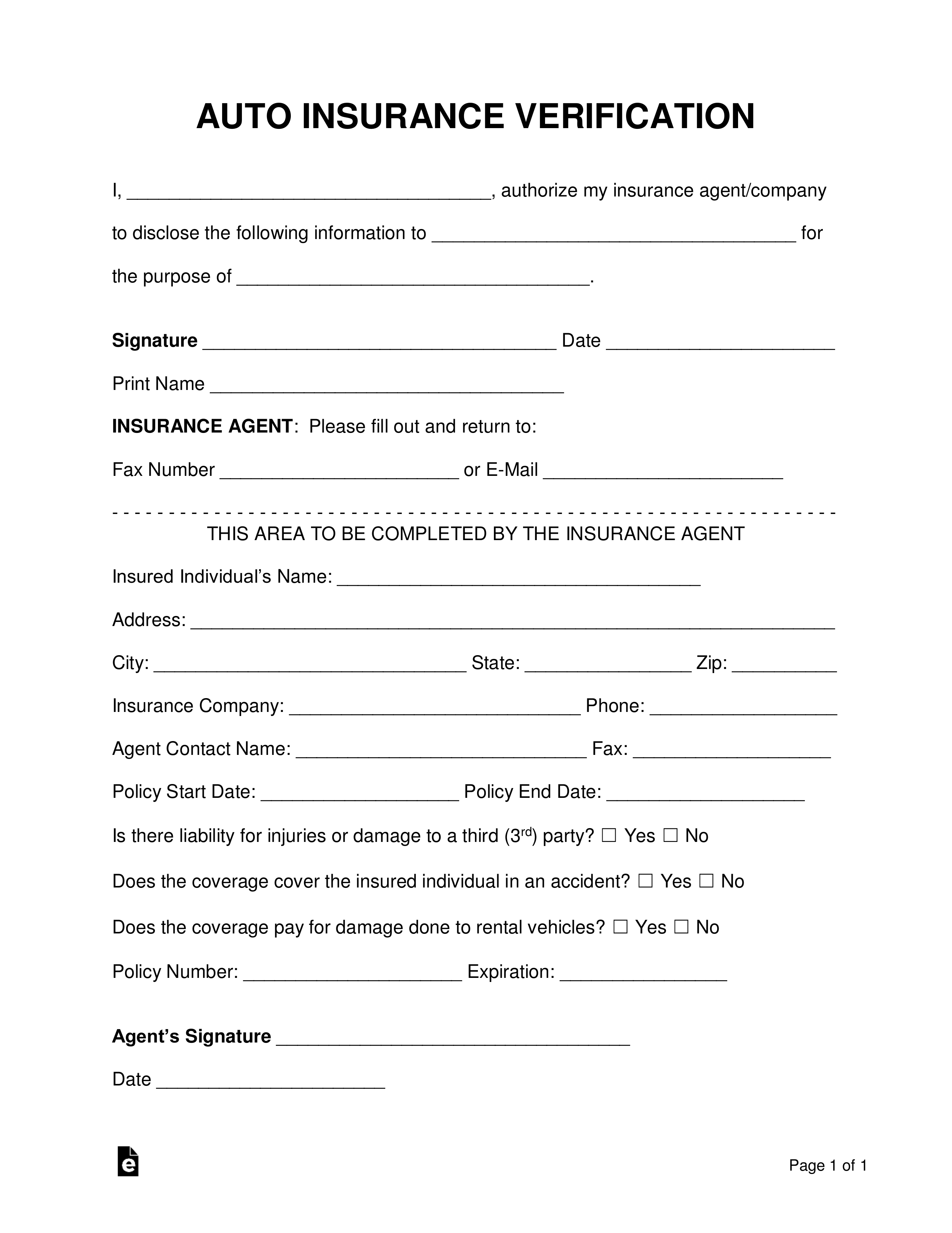

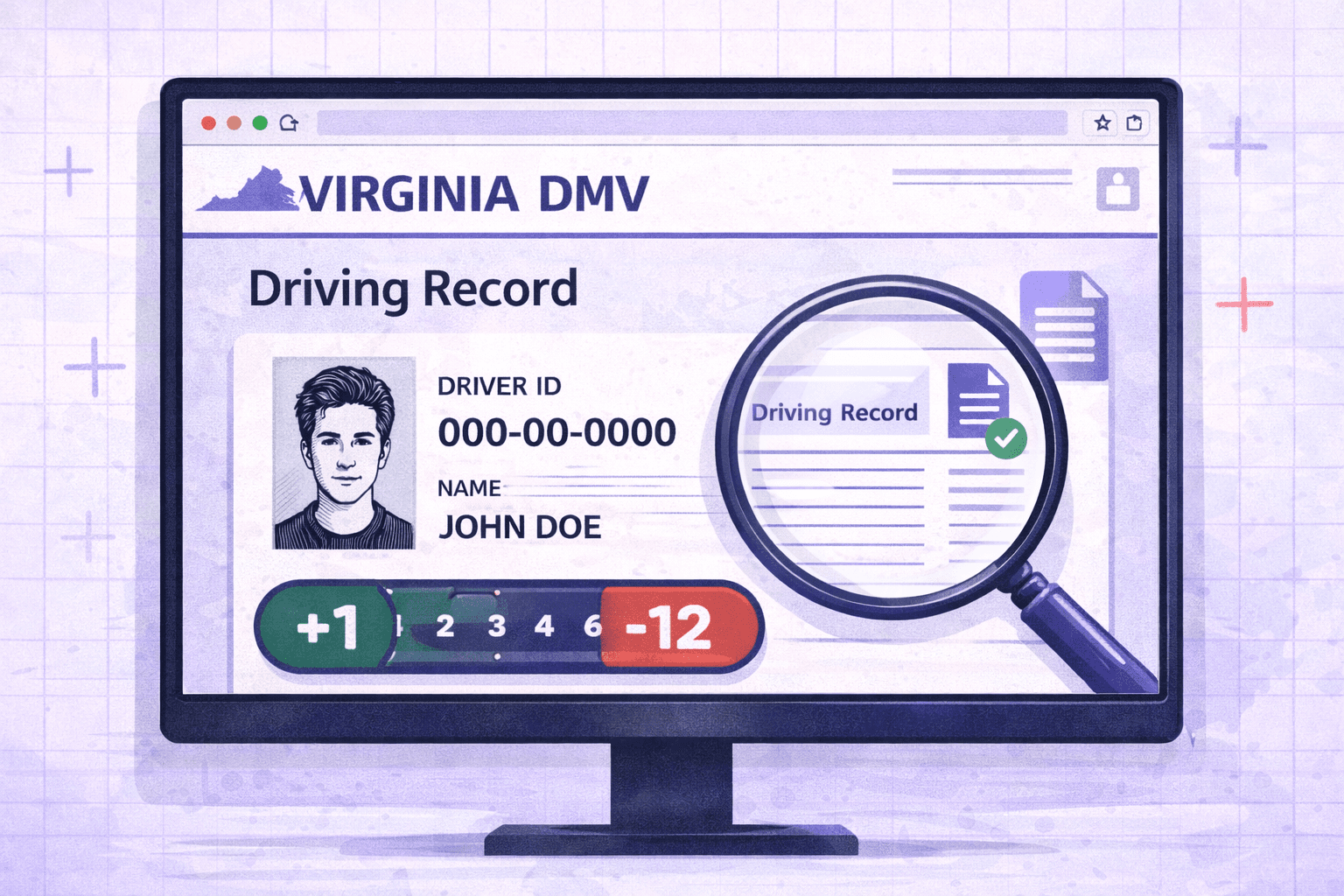

Auto insurance underwriting focuses on driving risk.
Insurance companies check:
- Driving history
- Accident record
- Traffic violations
- Type of vehicle
- Location
If you have multiple accidents, your car insurance premium will likely be higher.
4. Property Insurance Underwriting

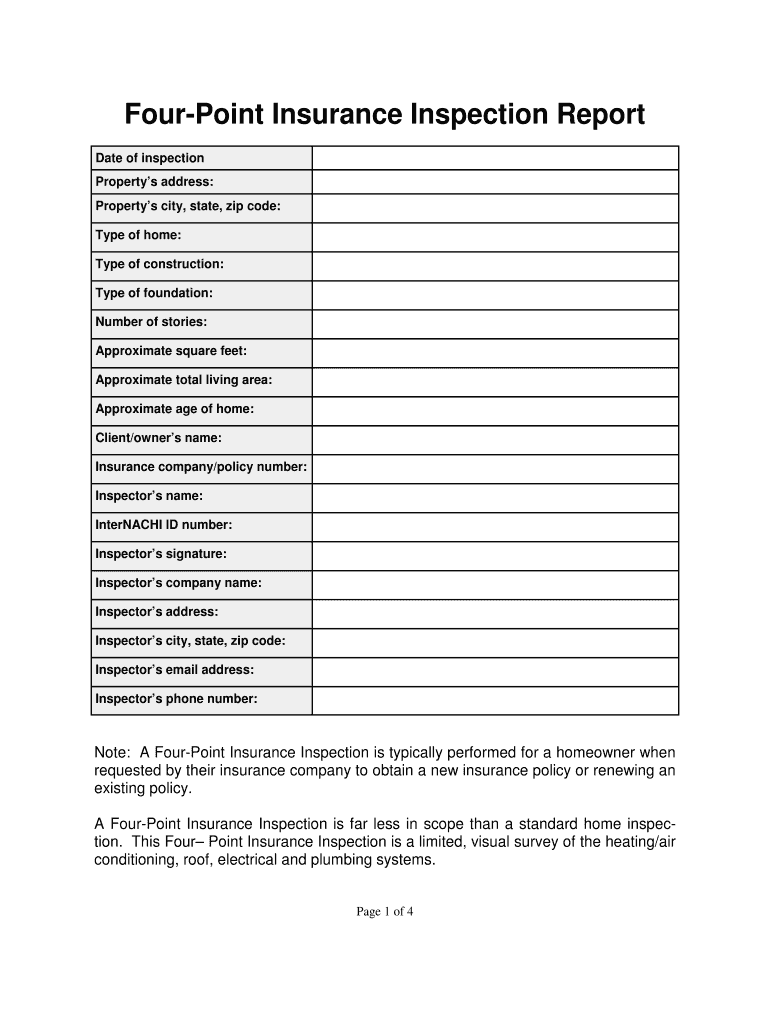


Property insurance underwriting looks at:
- Age of the building
- Construction materials
- Location
- Risk of natural disasters
- Security systems
A home in a flood-prone area may cost more to insure.
What Factors Affect Insurance Underwriting?
Several common factors affect underwriting in insurance:
Risk Level
Higher risk = higher premium.
Claims History
If you’ve filed many insurance claims before, insurers may see you as high-risk.
Credit Score
In some regions, insurers use credit history as part of underwriting.
Occupation
Certain jobs (like construction or mining) may increase risk.
Lifestyle Choices
Smoking, extreme sports, and hazardous hobbies can affect underwriting decisions.
Automated vs Manual Underwriting in Insurance
Today, many insurance companies use automated underwriting systems.
Automated Underwriting
- Uses computer algorithms
- Fast approval
- Common for simple policies
Manual Underwriting
- Reviewed by a human underwriter
- Used for complex or high-risk cases
- Takes longer
Automation has made the insurance underwriting process much faster.
Can You Improve Your Underwriting Outcome?
Yes, you can improve your insurance underwriting results by:
- Maintaining a healthy lifestyle
- Keeping a clean driving record
- Improving your credit score
- Installing safety devices in your home
- Providing accurate information
Honesty is very important. Giving false information can lead to denied claims or policy cancellation.
What Happens After Underwriting?
After underwriting in insurance is complete, you’ll receive:
- An approval notice
- A premium quote
- Policy terms and conditions
If approved, your insurance coverage begins once you pay your premium.
If declined, you can:
- Apply with another insurance company
- Ask for a different type of policy
- Improve your risk profile and reapply later
Common Underwriting Terms in Insurance
Here are some common terms used in insurance underwriting:
- Premium – The amount you pay for insurance
- Risk Assessment – Evaluation of your risk level
- Policyholder – The person who owns the insurance policy
- Exclusion – Conditions not covered by insurance
- Rider – Extra coverage added to a policy
Understanding these terms helps you navigate the insurance process confidently.
Final Thoughts: Why Underwriting Matters in Insurance
Underwriting in insurance is the backbone of the entire insurance system.
It ensures:
- Fair pricing
- Financial stability
- Risk control
- Sustainable insurance coverage
Without underwriting, insurance companies would not be able to properly manage risk.
Now that you understand what underwriting in insurance means, you can approach your next insurance application with confidence and clarity.
Frequently Asked Questions About Underwriting in Insurance
Is underwriting required for all insurance policies?
Most insurance policies require some form of underwriting, even if it’s automated.
How long does insurance underwriting take?
It can take from a few minutes (automated systems) to several weeks (manual review).
Can underwriting affect my premium?
Yes. Underwriting directly determines your insurance premium.
Can I be denied insurance after underwriting?
Yes. If the insurer considers the risk too high, they may decline coverage.
If you are applying for insurance, understanding underwriting gives you a big advantage. It helps you prepare, avoid mistakes, and possibly secure better rates.
Insurance doesn’t have to be confusing — and underwriting is simply the system that keeps it fair for everyone.